Basic HTML Version


22
TIPS TO SAFEGUARD A CROP
Ideal Location and Security
Grain stored in remote locations is
vulnerable to theft. Consider locating
bins closer to the home yard site,
securing with locks and checking
regularly. “With large bins, a missing
tandem load of canola may not be noticed
right away,” says Constable Gibb.
“Farmers tend to chalk it up to their own
bookkeeping, blaming themselves and
not consider the possibility that the
canola was stolen.” Keeping bins in a
well-lit, centralized location and blocking
road access also helps deter thieves.
Communicate with your Neighbours
Farmers should communicate with their
neighbours and be aware of what’s
happening in their area, including plans
to be away for vacation. One of the best
preventative methods is a neighbourhood
watch commitment says Constable Gibb.
“Farmers need to be vigilant in communi-
cating with neighbours and reporting
suspicious activity. If you see someone
moving an augur late at night and not
during harvest, that is suspicious behavior.”
If you see this type of activity, she strongly
recommends you call 911. Do not confront
the culprit as it is a significant risk.
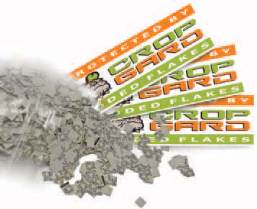
Consider using Grain Confetti
Cropgard Security developed Cropgard
Coded Flakes, typically referred to as
“grain confetti”. These tiny, numbered
squares of newsprint with code numbers
are registered to the owner, who mixes
them into the grain and adds warning
decals to deter thieves. Grain confetti
confirms at the elevator if the seller is
the rightful owner.
s
By Ali Hyde
Tips on safeguarding your harvest.
STOLEN CANOLA:
THE THIEVERY PEST
A recent research project at the
Canadian Grain Commission (CGC)
found that chemical analysis might
help identify canola samples. “In our
study, we found that only 0.3 percent
of the samples of the same variety were
chemically similar,” explains Veronique
Barthet of the CGC.
The RCMP recommends that farmers
take a sample of their crops, date it
and seal it for their records. “If theft
should happen, the RCMP may be
able to use the sample during their
investigation,” says Constable
Luanne Gibb of Killarney,
Manitoba. “If a farmer’s crop
is stolen we may be able to
compare the sealed sample
against a suspicious crop
sample and determine if
the chemical components
are the same.”
Constable Gibb urges
farmers to think about
ways to prevent theft and
to follow procedures if it
MARKET KNOW HOW
Cropgard Coded
Flakes and decals
does happen. “If you believe you have
been a victim of grain theft you are
advised to check your records and then
call the RCMP to report it,” she says.
“This will allow the RCMP to gain
evidence if needed and proceed with
investigating your claim. An open line
of communication between police and
community is beneficial so that we can
solve crime.”
s
Ali Hyde is a communications summer
student with the Canola Council of Canada.
hile strong canola and
grain prices are welcomed across the
Prairies, they may also add another
worry to the mix – theft.
Canola theft has been an issue for years,
but since many theft cases go unreported
due to the perception that stolen crops
and thieves can’t be tracked, it may not
be top of mind. The RCMP encourages
farmers to practice theft prevention and
is developing options to help identify
seed if theft does occur.