



 47 / 64


Salvador
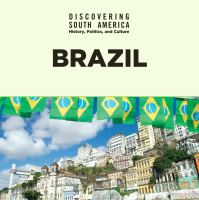
Salvador, capital of the state of Bahia, was the first major port and the capital
of colonial Brazil for almost two centuries. The city lies between green tropi-
cal hills and broad beaches along the Bay of Todos os Santos. It was built on
two levels: administration buildings and residences on the hills; forts, docks,
and warehouses on the beaches. Salvador is still divided into upper and
lower cities.
From 1500 to 1815 Salvador was the nation’s busiest port. Prized
shipments of sugar from the northeast and gold and diamonds from the mines
in the south passed through Salvador. It was a golden age for the city. Many of
the city’s
baroque
churches, private homes, squares, and even the hand-
chipped paving bricks have been preserved as part of Brazil’s historic past.
In Salvador, the African influence on Brazilian culture remains
prominent. Spicy dishes are still called by their African names (
caruru, vatapá,
acarajé
).
Candomblé
ceremonies honor both African deities and Catholic
holidays.
Capoeira
schools teach an African form of ritualistic fighting.
Belo Horizonte
Belo Horizonte, founded in 1897, was the first modern planned Brazilian city.
It was designed specially to serve as the capital of the state of Minas Gerais.
Its wide, landscaped avenues and carefully laid-out residential
suburbs have been cramped by a high rate of urban development over the
last 30 years, though.
Belo Horizonte is the distribution and processing center of a rich agricul-
Brazil’s Colorful, Crowded Cities 47